Kyoto Tokyo Trains — Shinkansen Bullet Train Tickets, Times & Fares
Compare Nozomi, Hikari and Kodama bullet trains between Japan's ancient and modern capitals — real fares, honest travel times, and the fastest way to book your seat.
About the Kyoto Tokyo Trains Route
Opened in 1964 ahead of the Tokyo Olympics, the Tokaido Shinkansen was the world's first true high-speed rail line — and the Kyoto–Tokyo stretch remains its busiest, linking Japan's neon-lit capital with its former imperial one. The line is operated by Central Japan Railway Company (JR Central) on dedicated tracks separate from local rail, with the latest N700S railcars reaching up to 285 km/h (177 mph).
Three train types share these tracks — Nozomi, Hikari and Kodama — each stopping at a different number of stations along the way. All run through Nagoya, Japan's third-largest city, roughly at the route's midpoint.
The map below traces the main stops on this stretch: from Kyoto, trains run east through Nagoya at the midpoint, then Shin-Yokohama and Shinagawa as they approach the capital, before terminating at Tokyo Station.
Kyoto and Tokyo Train Stations
Both termini are major transit hubs in their own right — here's what to expect when you arrive at each.
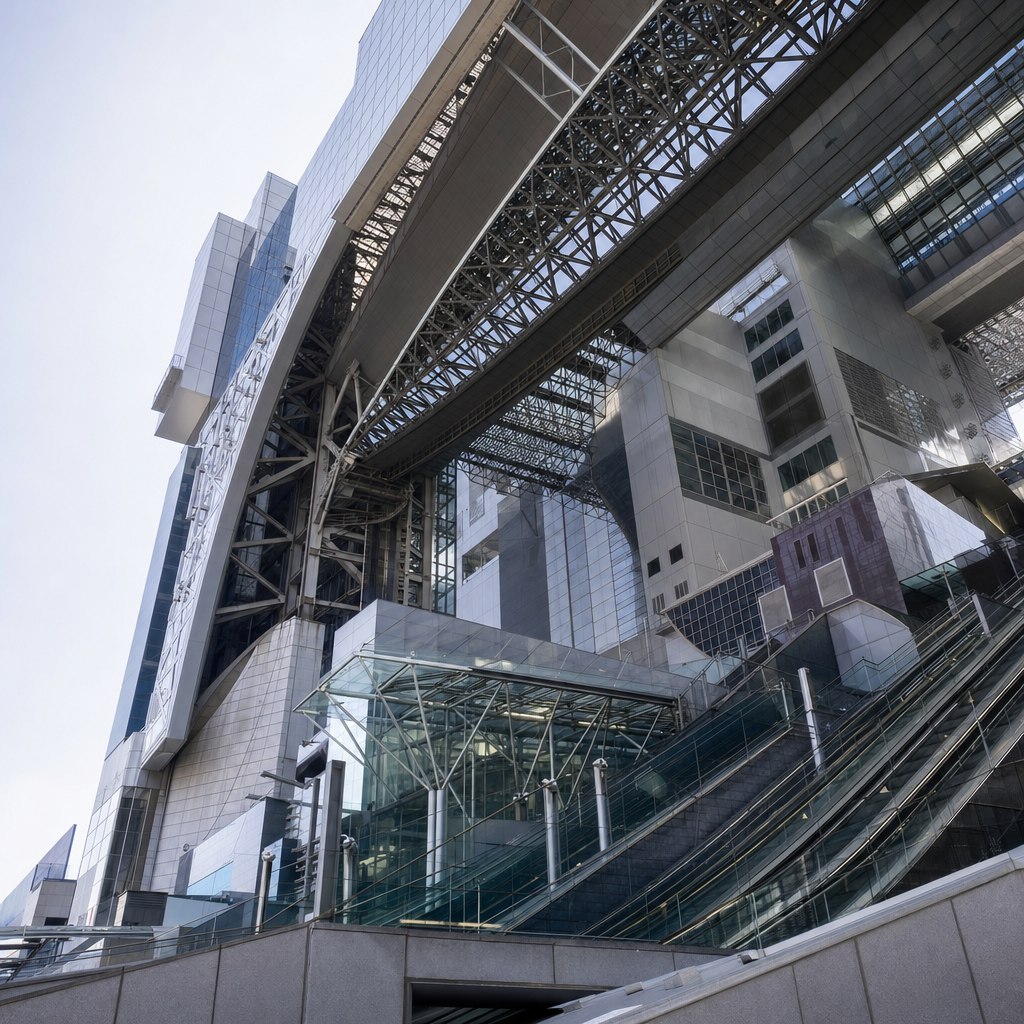
Kyoto Station
One of Japan's largest stations, with a striking modern glass-and-steel facade designed by architect Hiroshi Hara. Shinkansen platforms sit on the south side, known as the Hachijo-guchi or "Shinkansen Central" exit, which connects directly to the city bus terminal for onward trips to Kiyomizu-dera, Fushimi Inari and Arashiyama. The older Karasuma-guchi exit on the north side leads toward the city center and Kyoto Tower.
- JR Nara Line, JR Sagano Line
- Kintetsu Kyoto Line
- City bus terminal (Hachijo-guchi)
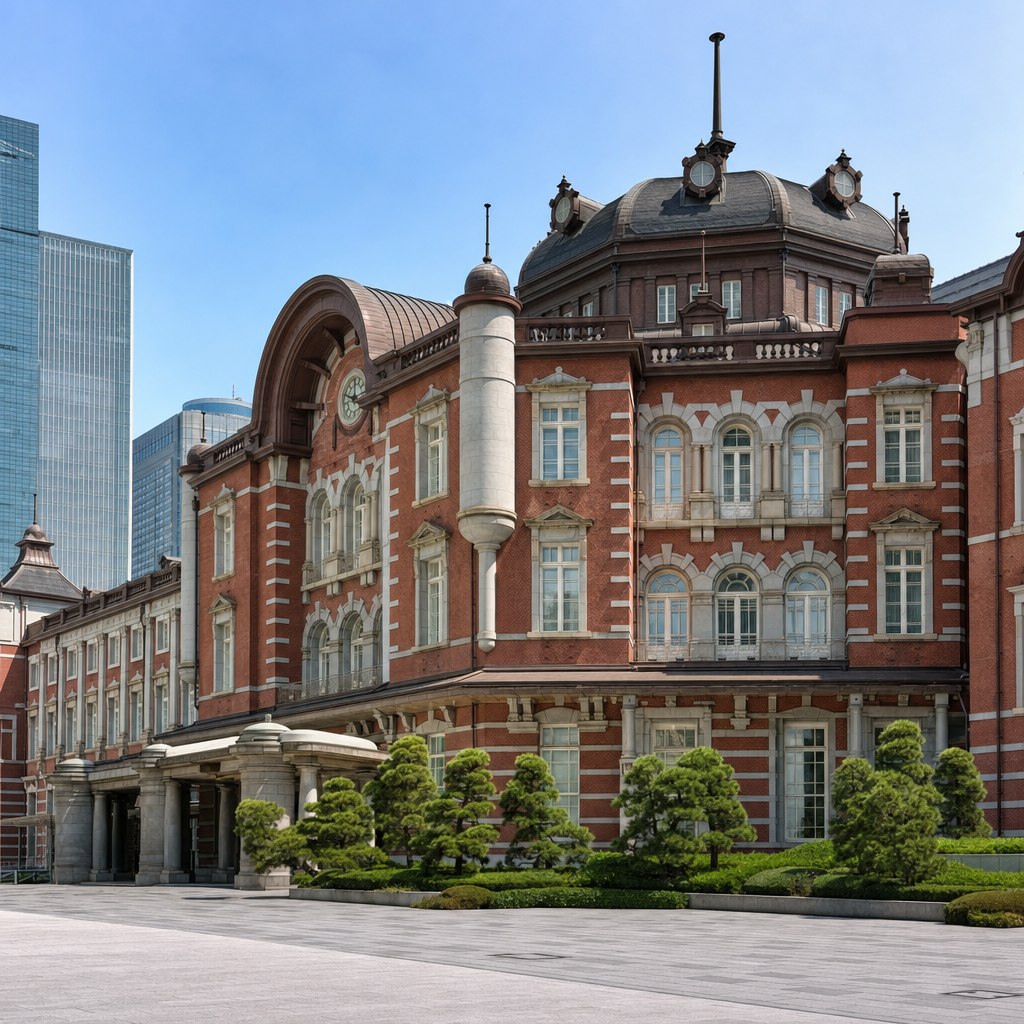
Tokyo Station
A red-brick Taisho-era building dating to 1914, standing just across from the Imperial Palace grounds and now a designated Important Cultural Property. Shinkansen platforms sit on the Marunouchi side, clearly signposted in English — arrive 15 to 20 minutes early, since the station is large and can get busy at peak commuter times. A wide range of ekiben (station bento) shops line the platform corridors.
- JR Yamanote Line, JR Chuo Line
- Tokyo Metro Marunouchi Line
- Long-distance highway buses
Choosing Your Train: Nozomi, Hikari & Kodama
All three trains run the same Tokyo–Kyoto line, but they stop at different numbers of stations — which changes both your travel time and whether the Japan Rail Pass covers your seat. If you're taking several long-distance trains across Japan, a rail pass may be worth pricing out — otherwise, single tickets through the search above are usually simpler.
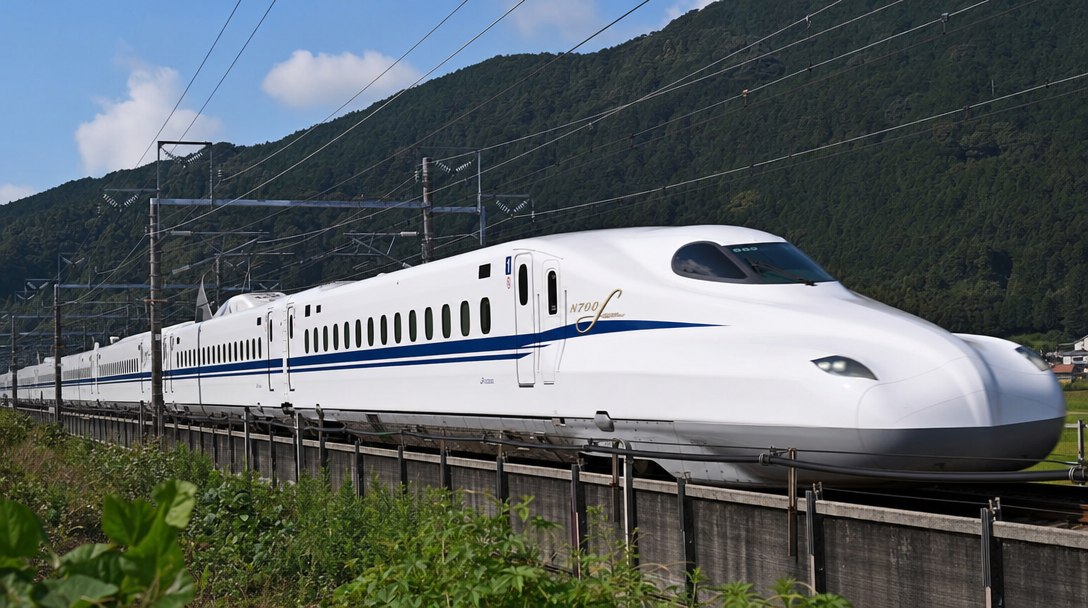
Nozomi — The Fastest Option
Nozomi is the flagship service on the Tokaido Shinkansen, introduced in 1992. It skips most stations between Kyoto and Tokyo and runs as often as every 10 minutes at peak times, using the newest N700S railcars.
2h 15m–2h 25m
Every 10–15 min
Not valid
- Skips most stations — only Shinagawa, Nagoya and a handful more
- Runs the newest N700S trainsets, with the smoothest ride
- Best if you're buying individual tickets and want to save time
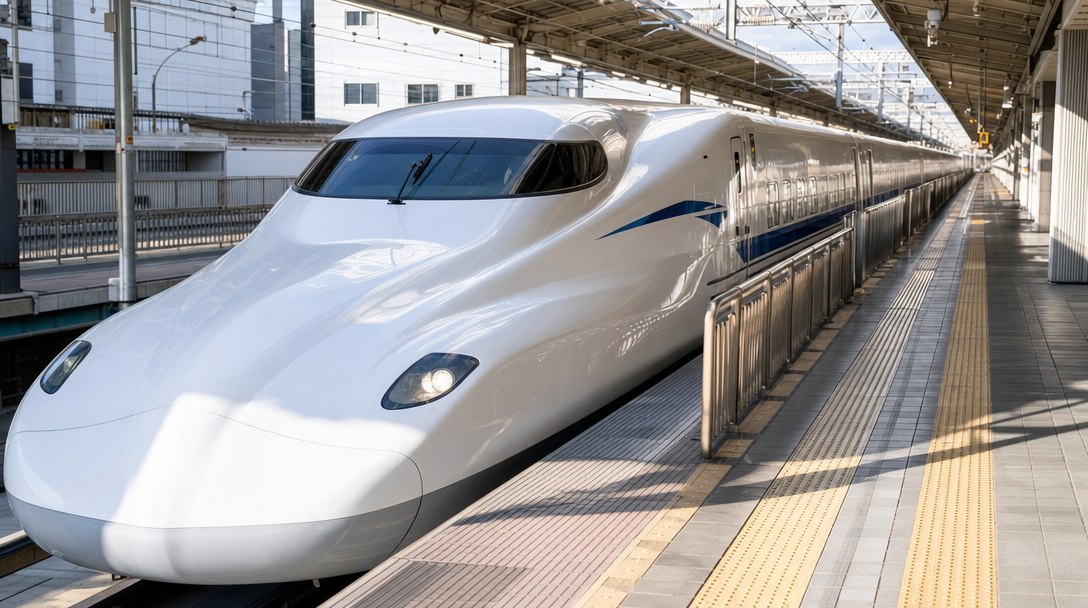
Hikari — The JR Pass Sweet Spot
Hikari was the Tokaido Shinkansen's original flagship service, running since 1964 until Nozomi launched in 1992. It uses the same trains as Nozomi with just a few more stops — and unlike Nozomi, it's fully covered by the Japan Rail Pass.
2h 35m–2h 45m
A few more
Valid
- Only about 20 minutes slower than Nozomi
- Same comfort and seat classes as Nozomi
- The best choice for JR Pass holders who still want speed
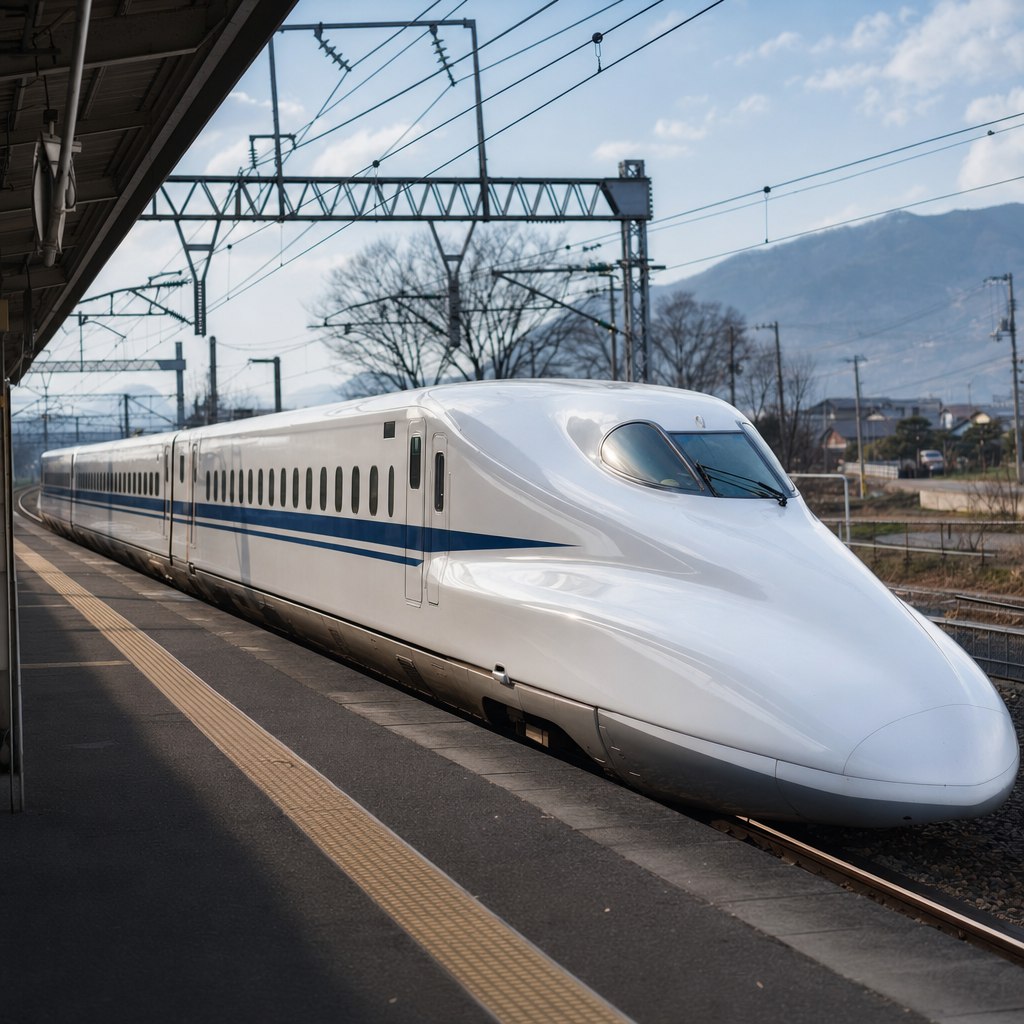
Kodama — Every Station, Every Time
Kodama stops at every single station on the Tokaido Shinkansen, making it the slowest but most thorough way to travel. It's fully covered by the Japan Rail Pass and its cars tend to be the quietest of the three.
3h 50m–4h 10m
Every station
Valid
- Good for hopping off at smaller towns like Shizuoka or Hamamatsu
- Usually the emptiest of the three, with more room to spread out
- Best for budget travelers and JR Pass holders with time to spare
Luggage & Baggage Size Limits on the Kyoto Tokyo Trains
The Tokaido Shinkansen enforces a strict oversized-baggage rule that catches many first-time travelers off guard — here's exactly what's allowed, measured as length + width + height combined.
All three tiers measured the same way: length + width + height added together.
Standard luggage
Fits in the overhead rack or at your feet. No reservation needed and no charge — up to two bags per passenger. A typical airline carry-on (about 115 cm L+W+H) sits comfortably inside this limit.
Oversized luggage
Needs a free "oversized baggage" seat reservation next to the dedicated luggage space, usually the last row of cars 1–3. Reserve it in advance through the same booking flow as your seat, or at a ticket counter — space is limited to a few seats per train, so book early in busy seasons. Board without one and you'll be charged a ¥1,000 handling fee.
Not permitted
Bags exceeding 250 cm in total dimensions cannot be brought on board the Shinkansen at all. Ship them ahead instead with a luggage-forwarding (takkyubin) service — widely available at hotels and convenience stores, usually delivering the next day for around ¥2,000 per bag.
This 160 cm rule is specific to the Tokaido, Sanyo and Kyushu Shinkansen — it doesn't apply on JR East's bullet trains or on local lines, which follow the general two-bag, 250 cm, 30 kg carry-on allowance.
Seat Classes on the Kyoto Tokyo Trains
Every Shinkansen has ordinary cars in a 3+2 layout and a Green Car (first class) in a quieter 2+2 layout with extra legroom. Nozomi, Hikari and Kodama all run the same N700-series cars, so the seats themselves feel the same whichever train you pick.
Ordinary — Unreserved
- Nozomi: cars 1–2 unreserved (fewest of the three)
- Hikari: cars 1–5 unreserved
- Kodama: cars 1–7 and 13–15 unreserved — the most of any service
- Power outlet at every seat on N700S cars
- Blacked out on Nozomi during peak holiday weeks
Check fares
Ordinary — Reserved
- Guaranteed seat, bookable weeks ahead
- Reserve window seat E for the Mt. Fuji view
- Recommended for New Year, Golden Week & Obon
Check fares
Green Car (First Class)
- ~12 cm more legroom than ordinary cars
- Deeper recline, leg rests & reading lights
- Quieter car, fewer seats per row
- Best Mt. Fuji view: seats C & D
Check fares
All seats rotate to face your direction of travel and fold down a tray table — cabin crew reset them at each terminus station.
Catch Mount Fuji From the Trains
About 40 to 45 minutes after leaving Tokyo, near Shin-Fuji Station, Mount Fuji appears on the right-hand side for roughly 30 to 60 seconds on a clear day — most reliably on winter mornings.
Book window seat E in an ordinary car, or seats C or D in Green Car — right-hand side.
The view swaps to the left-hand side of the train.
At 3,776 m, Fuji is tall enough to stay visible even though the tracks pass more than 20 km from its base — on a clear day its snow-dusted cone rises well above the foothills, often visible for several minutes either side of Shin-Fuji Station rather than in one single instant. Winter mornings give the best odds, since the air is driest and the summit is fully capped in snow; summer haze is the most common reason travelers miss it entirely.
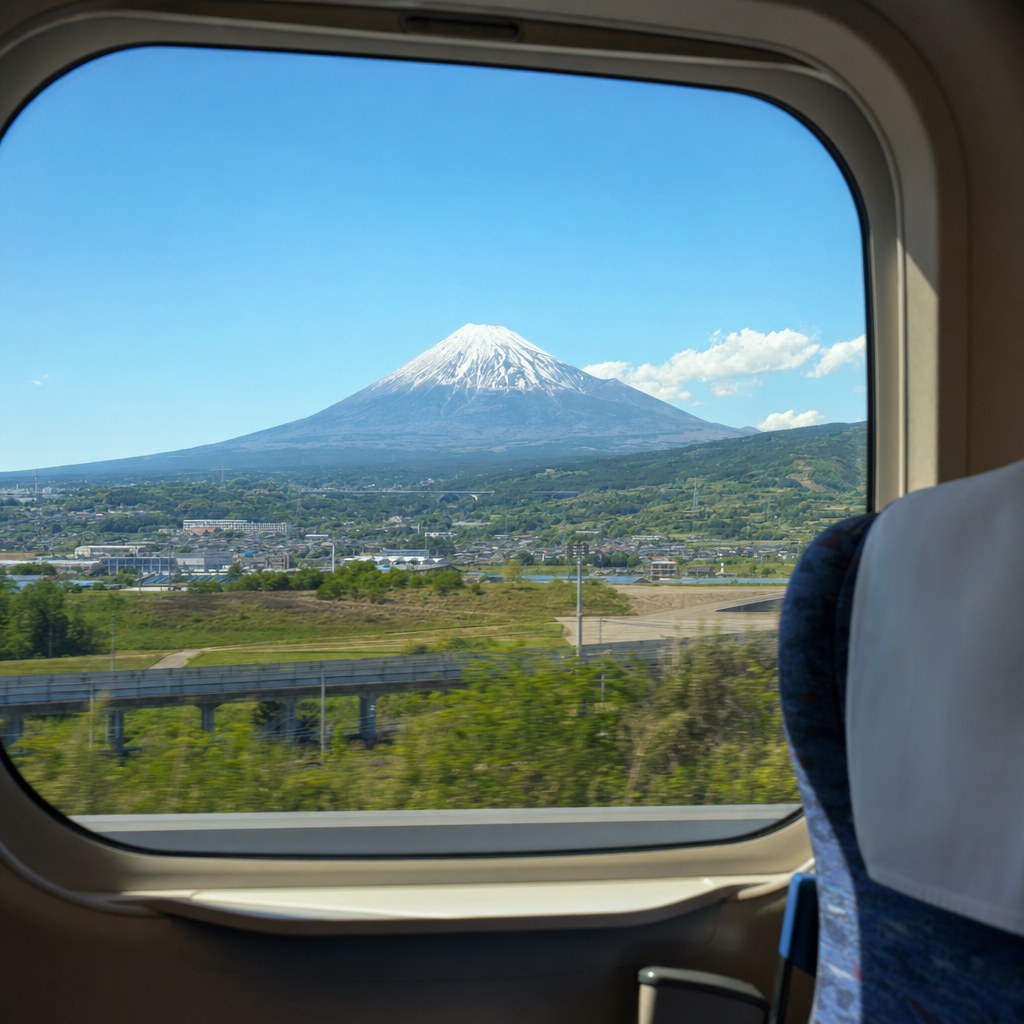
A stratovolcano straddling Shizuoka and Yamanashi prefectures — tall enough to stay visible from Tokyo despite the distance.
Listed as a Cultural site — not for its geology, but for centuries of influence on Japanese art, literature and pilgrimage.
The Hoei eruption lasted about 16 days and scattered ash as far as Edo (modern Tokyo), roughly 100 km away.
Best seen on crisp winter mornings, when dry air and low humidity make the horizon clearest.
Outside these months, mountain huts and trails close and the ascent becomes far more hazardous.
Kyoto and Tokyo Highlights
Both terminus cities are dense with sights reachable straight from the station — here's where to go the moment you step off the Kyoto Tokyo trains.
Near Kyoto Station
Near Tokyo Station
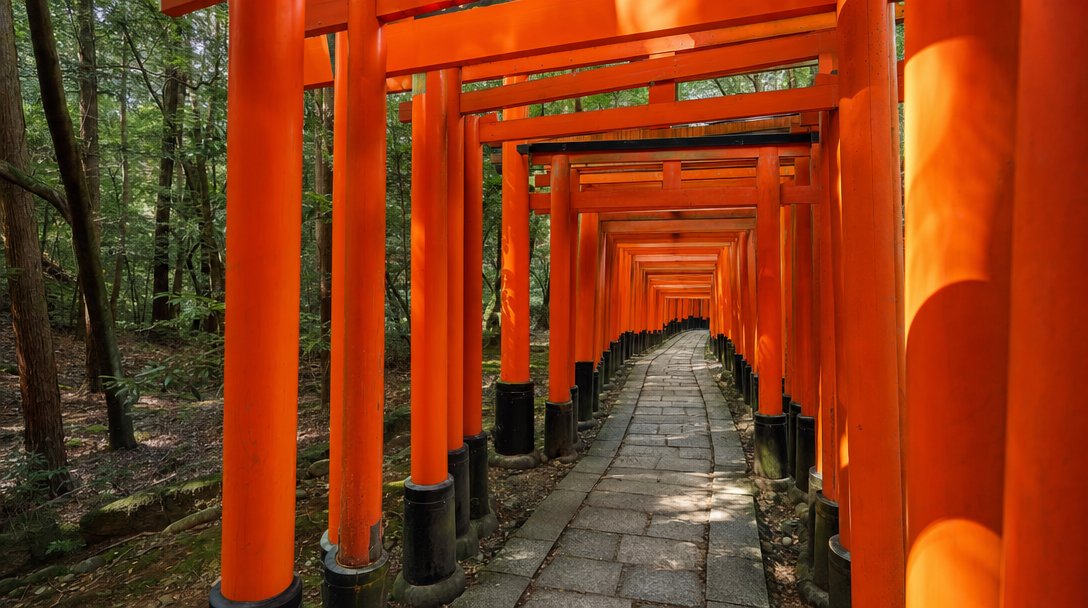
Fushimi Inari Taisha
Thousands of vermillion torii gates climb Mount Inari along a 4 km trail, donated over centuries by businesses seeking good fortune. Open 24 hours and free to enter — just five minutes from Kyoto Station on the JR Nara Line.
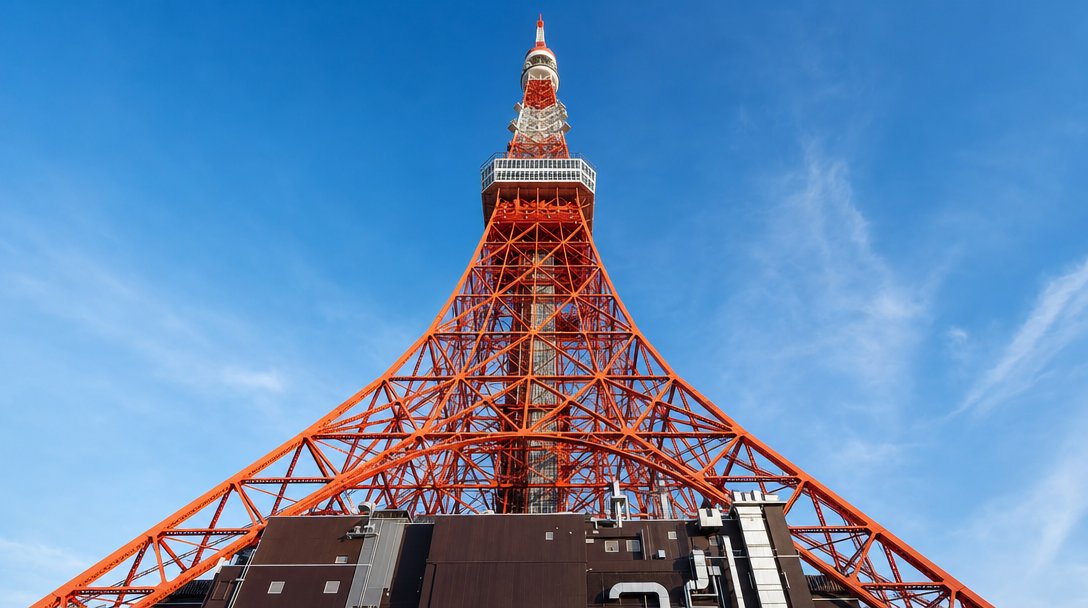
Tokyo Tower
Built in 1958 and modeled on the Eiffel Tower, this 333 m lattice landmark lights up orange every night. Two observation decks look out over the city — a short subway ride from Tokyo Station via the Hibiya Line.
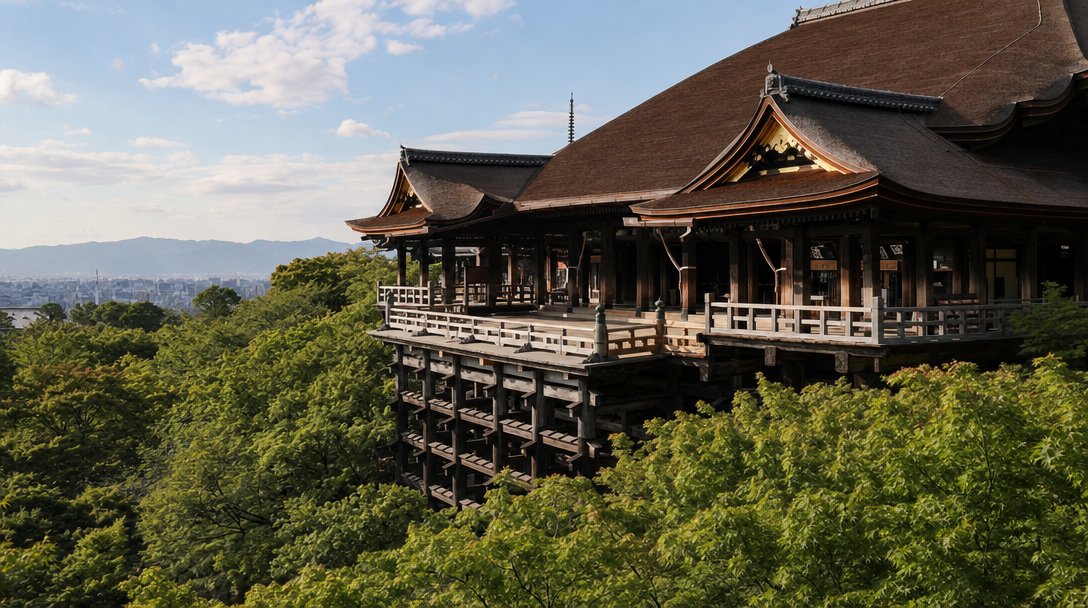
Kiyomizu-dera
This UNESCO World Heritage temple's wooden stage juts 13 meters above the hillside, held together entirely by interlocking joinery — no nails. Best at sunrise or during autumn foliage, a short bus ride from Kyoto Station.
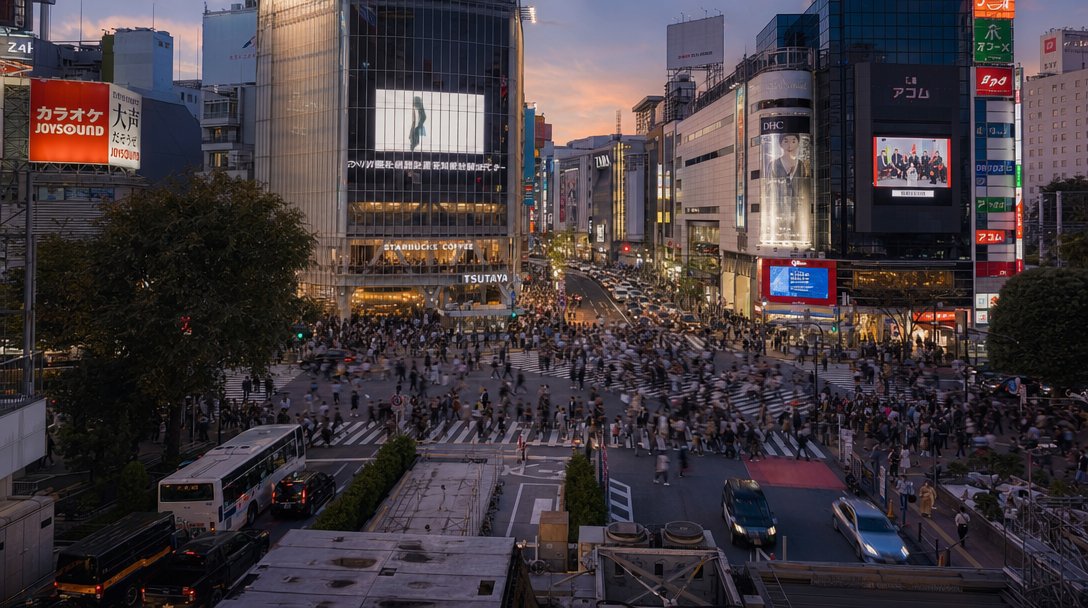
Shibuya Crossing
Up to 3,000 people cross at once when the lights change, from every direction simultaneously. Best viewed from the Starbucks or Shibuya Sky above — a quick Yamanote Line ride from Tokyo Station.
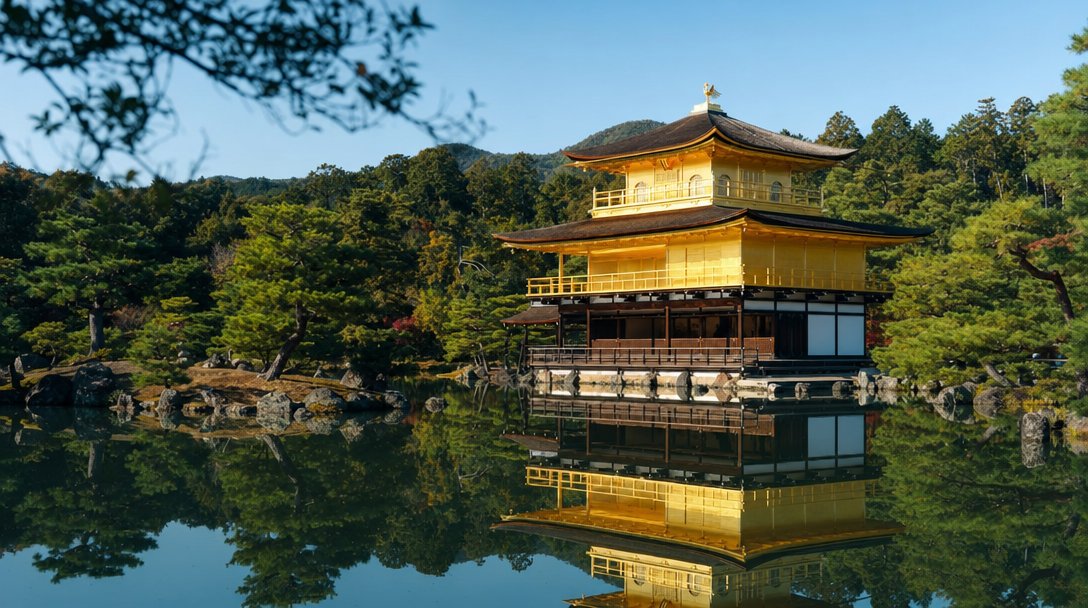
Kinkaku-ji
The top two floors of this Zen pavilion are covered entirely in gold leaf, its reflection doubling the effect across the still pond in front. Originally a shogun's retirement villa — about 30 minutes by city bus from Kyoto Station.
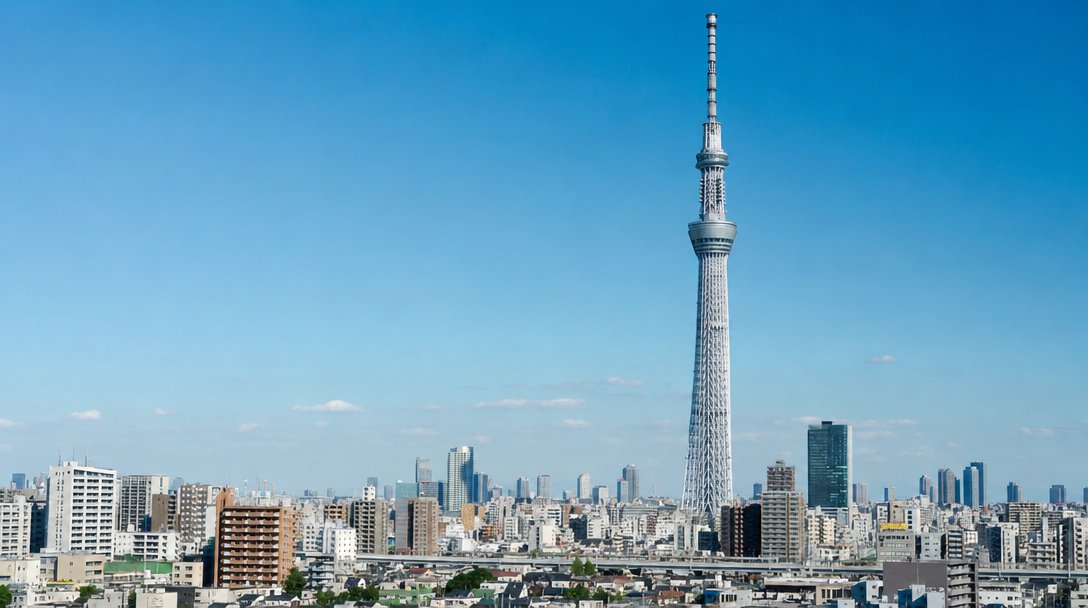
Tokyo Skytree
At 634 m, this is the tallest structure in Japan and one of the tallest towers on Earth, with two observation decks and a glass floor. On clear days Mount Fuji is visible from the top — a short ride from Tokyo Station.
When to Book Your Kyoto Tokyo Trains Tickets
Unreserved seats can be bought same-day, any time of year, in cars 1–2 of most Nozomi trains. The exceptions are New Year, Golden Week and Obon, when Nozomi often runs reserved-seat-only — book a reserved ticket ahead of those weeks. Reserved tickets can otherwise be booked online in advance or at any station counter.
Kyoto Tokyo Trains FAQ
How long does the train from Kyoto to Tokyo take?
The fastest Nozomi trains cover the roughly 450 km (280 mile) route in as little as 2 hours 15 minutes. Hikari trains take about 20 minutes longer, and Kodama trains, which stop at every station, take around 3 hours 50 minutes to 4 hours 10 minutes.
How much does a Kyoto to Tokyo train ticket cost?
An unreserved ordinary-car seat costs around $85 one way, a reserved ordinary-car seat around $88, and a Green Car (first class) seat around $119. Prices are approximate in USD and fluctuate with the yen exchange rate.
Can I use the Japan Rail Pass on the Kyoto Tokyo trains?
Yes, but only on Hikari and Kodama trains. The Japan Rail Pass is not valid on Nozomi or Mizuho services unless you buy an additional surcharge ticket to cover the fare difference.
Which train should I take: Nozomi, Hikari, or Kodama?
Nozomi is the fastest and most frequent option and suits most travelers paying for individual tickets. Hikari is a good middle ground for Japan Rail Pass holders who still want a reasonably quick journey, while Kodama suits budget travelers with time to spare or those visiting smaller stations along the way.
Can I see Mount Fuji from the train?
Yes. Traveling from Tokyo to Kyoto, book window seat E in an ordinary car (or seat C or D in Green Car) on the right-hand side. Mount Fuji appears roughly 40 to 45 minutes after departure, near Shin-Fuji Station, and stays in view for about 30 to 60 seconds on a clear day.
Do I need to reserve a seat in advance?
It's not required outside peak travel dates — unreserved cars are available in cars 1 and 2 on Nozomi trains. During New Year, Golden Week, and Obon, however, Nozomi often runs reserved-seat-only, so booking a reserved seat ahead of time is worth it during those weeks.
What's the difference between Ordinary and Green Car seats?
Ordinary cars use a 3+2 seat layout with about 104 cm of seat pitch. Green Car (first class) uses a wider 2+2 layout with about 116 cm of pitch, deeper recline, leg rests and individual reading lights. Both classes run on every Nozomi, Hikari and Kodama train.
How early should I arrive at the station before departure?
Arriving 15 to 20 minutes before departure gives you enough time to find your platform and car number, especially at large stations like Tokyo or Kyoto. Shinkansen doors open a couple of minutes before departure and close right on time.
Can I buy Shinkansen tickets online in advance?
Yes. Reserved and unreserved tickets can be bought online in advance, at station ticket machines, or at staffed counters. Booking ahead is worth it for a reserved seat on popular dates, but unreserved tickets don't need advance booking.
Is there Wi-Fi on the Kyoto to Tokyo Shinkansen?
Yes. Every Tokaido Shinkansen car — reserved, unreserved and Green Car — offers free "Shinkansen Free Wi-Fi." Each session lasts up to 30 minutes before you reconnect, and speeds can dip in tunnels.
What happens if I miss my reserved train?
Your reserved ticket is still valid the same day for an unreserved seat on a later train of the same type, at no extra charge. To keep a reserved seat on a later train, you'll need to pay the reserved-seat charge again.
How much luggage can I bring on board?
Standard suitcases fit in the overhead racks or at your feet at no charge. Bags with total dimensions over 160 cm need a free "oversized baggage" seat reservation, made when booking your ticket — that space is limited, especially in the front cars.
Are food and drinks available on the train?
There's no onboard cart or vending machine anymore — buy an ekiben (station bento), snacks or drinks at the station before boarding. Green Car passengers can scan a QR code at their seat to have coffee or snacks delivered by cabin staff.
Is the Shinkansen accessible for travelers with disabilities?
Yes. Every train has wheelchair-accessible seating and at least one accessible restroom, with multi-purpose rooms in some cars. It's best to reserve accessible seating in advance at a ticket counter, since it isn't always available to book online.
What's the best time to travel for fewer crowds?
Early morning or midday departures on weekdays tend to be quietest. Avoid the first and last Nozomi trains around New Year, Golden Week and Obon, when seats sell out fastest and unreserved cars fill up quickly.
Ready to Book Your Kyoto Tokyo Trains?
Compare live Nozomi, Hikari and Kodama fares and lock in your seat before you go.
Search Trains Now